


Prepaid eSIM Plans for Travelers: Flexible Coverage Without Long-Term Commitments
A prepaid eSIM is a digital SIM profile purchased upfront with a set data allowance, eliminating the need for a physical card. It works by embedding connectivity directly into your device, letting you activate a plan instantly through a QR code or app. This gives you the power to manage costs and avoid surprise bills while enjoying complete freedom from roaming fees or long-term contracts.
Understanding Prepaid Embedded SIM Technology
Understanding Prepaid Embedded SIM Technology for prepaid eSIM involves recognizing how a non-removable chip, soldered into a device, stores and manages prepaid mobile profiles. Unlike a physical SIM, this embedded chip allows users to download a prepaid plan remotely via a QR code or app, eliminating the need for a plastic card. For practical use, this means you can switch between multiple prepaid eSIM profiles without swapping trays, as long as your device supports eSIM. Activation is instant once a plan is purchased, and the prepaid credit or data allowance is stored on the embedded chip itself. The technology ensures secure, over-the-air provisioning, making prepaid eSIM technology ideal for travelers or secondary lines. You must first ensure device compatibility, then simply scan a code to install and activate your prepaid eSIM profile.
How Digital SIMs Differ from Physical Cards
A physical SIM is a tangible plastic card you must insert into your device, while a digital SIM, or eSIM, is an embedded chip soldered directly onto the motherboard. The core difference is that you purchase and activate a prepaid eSIM online by scanning a QR code or downloading a profile, eliminating the need to wait for postal delivery or swap cards. This makes switching prepaid plans instantaneous. With a physical card, you are tied to a single network per slot; a digital SIM allows storing multiple profiles, though only one can be active at a time. Prepaid eSIM activation bypasses hardware entirely.
Q: Can I move my digital SIM to a new phone as easily as a physical card?
No. Unlike a physical card you simply re-insert, a digital SIM must be re-downloaded or re-transferred via a carrier’s app or QR code, though some carriers offer seamless profile migration.
Why Travelers and Minimalists Are Switching
Travelers and minimalists are switching to prepaid eSIM because it eliminates physical SIM swaps and roaming contracts, offering instant connectivity on demand. For travelers, this means activating a local data plan before departure or upon arrival via a QR code, bypassing airport kiosks. Minimalists appreciate shedding the clutter of tiny plastic cards and multiple profiles stored digitally. The sequence is straightforward:
- Purchase a prepaid eSIM plan online from a provider
- Scan a QR code or download a profile to the device
- Activate the plan when needed, often with a single toggle
This approach removes the need to track expiration dates on physical SIMs or manage separate prepaid cards. Single-device management further appeals to minimalists who want all connectivity under one interface, without juggling slots or adapters.
Compatibility Checklist for Modern Devices
Before grabbing a prepaid eSIM, run through a device compatibility checklist to avoid hiccups. First, check that your phone isn’t carrier-locked to a specific network, as this blocks eSIM activation. Next, confirm your model supports eSIM profiles—most iPhones from the XR onward and recent Android flagships do, but budget models often skip this feature. Also, verify your operating system is updated, as older versions may lack eSIM settings. Even if your device lists eSIM support, double-check that its single-eSIM implementation can handle switching between multiple profiles. Finally, look in your phone’s “Cellular” or “Connections” menu for an “Add eSIM” option to be sure prepaid activation will work smoothly.
Key Advantages of Pay-As-You-Go Digital Connectivity
Prepaid eSIMs eliminate rigid contracts, giving you absolute control over connectivity costs. The core advantage is true financial flexibility, as you only pay for data you actually consume, avoiding surprise overage fees. This model enables immediate plan activation without credit checks or long-term commitments, ideal for short-term travel or projects. Critically, you can switch between local providers in seconds via a digital eSIM profile to optimize for the strongest network signal, rather than being locked into a single carrier. This granular, usage-driven approach makes digital connectivity a purely utility-based expense, matching your activity level precisely.
Cost Savings Compared to Traditional Roaming Plans
A prepaid eSIM delivers dramatic cost savings compared to traditional roaming plans by bypassing carrier-imposed daily roaming fees. Instead of paying a fixed daily charge for limited data, you purchase a localized data package at the destination’s domestic rate, often cutting expenses by 50–90%. You avoid bill shock entirely because there is no post-paid usage; once your data allowance is exhausted, connectivity stops until you top up. This model lets you pay only for the exact megabytes you need, rather than subsidizing a carrier’s blanket roaming markups.

Q: How do prepaid eSIMs achieve lower costs than traditional roaming?
A: They connect you directly to a local network’s data plans, eliminating the wholesale roaming surcharge that traditional carriers add to every gigabyte.
Instant Activation Without Visiting a Store
With prepaid eSIM, the era of queuing at a retail store for a SIM card is over. You can purchase, download, and activate a data plan directly on your device in minutes, making instant activation without visiting a store a core convenience. This process typically involves scanning a QR code or tapping a link, with the profile installing automatically. Even if you land in a foreign country with no local SIM, you are connected before leaving the airport terminal. Q: How quickly does activation happen after purchase? A: Most plans activate within 60 seconds once the eSIM profile is downloaded, provided you have a stable internet connection.
Flexibility to Switch Networks or Top Up Remotely
A key advantage of prepaid eSIM is the remote carrier switching capability that eliminates physical SIM swaps. Users can change network providers or purchase a new data top-up directly from a management app, without visiting a store. This allows you to immediately switch to a stronger local signal when roaming or renew your plan mid-trip. The process bypasses the delays of handling physical cards, ensuring continuous connectivity.
- Select a different network plan from the app when your current provider’s signal weakens.
- Load additional data or talk-time instantly using a credit card or digital wallet, even abroad.
- Re-activate a dormant plan for a short period without committing to a long-term contract.
Selecting the Right Provider for Temporary Use
When picking a prepaid eSIM for temporary use, focus on coverage in your exact destination, not just a provider’s global reputation. Check if the plan offers hotspot tethering if you need to share data with another device. For short trips, prioritize plans with flexible durations—like seven or 15 days—rather than monthly commitments. A provider with a straightforward, app-based top-up process can save you from unexpected data drops mid-trip. Steer clear of plans that require a permanent phone number or complex registration, as they’re overkill for temporary use.
Evaluating Coverage Maps and Network Partnerships
For a temporary prepaid eSIM, evaluating coverage maps demands scrutiny beyond surface-level splashes of color; you must verify which network partnerships underpin that map. A provider boasting broad coverage might rely on a single weak partner in your destination, offering slow data. Cross-reference the map’s partner list with local carriers known for reliability. Prioritize providers with multiple, established network partners in your target region to ensure consistent connectivity and avoid dead zones. This direct verification prevents frustration during short-term travel.
Comparing Data Allowances and Validity Periods
When selecting a prepaid eSIM, directly comparing data allowances and validity periods prevents overspending on unused gigabytes. A 1GB, 7-day plan is ideal for a quick city break, whereas a 10GB, 30-day package suits heavy navigators or remote workers. Always match your daily consumption to the validity length; a small allowance stretched over a month can leave you throttled. For instance, a 5GB, 15-day plan offers a balanced middle ground. Check whether the provider offers rollover data, which adds practical value by preserving unused allowance within the validity window.
Reading User Reviews for Hidden Fees or Throttling
Reading user reviews for hidden fees or throttling is essential when selecting a prepaid eSIM provider for temporary use. Focus specifically on complaints about hidden throttling after data caps, as providers often reduce speeds to near-zero without clear disclosure. Look for reviews mentioning unexpected activation, top-up, or inactivity charges. To assess this:
- Search reviews for terms like “speed drop,” “data slowed,” or “extra fee.”
- Filter by recent reviews, as policies change frequently.
- Check for recurring mention of a specific data threshold where throttling begins.
Many users report that a provider’s advertised “unlimited” plan actually throttles after 5GB, making it useless for streaming. Prioritize reviews that detail exact usage scenarios, such as tethering or video calls, to uncover practical throttling patterns.
Step-by-Step Setup and Activation Process
To activate a prepaid eSIM, first confirm your device is unlocked and eSIM-compatible via settings. Next, purchase a plan from a provider like Airalo or Holafly; you’ll receive a QR code or activation code via email instantly. Open your phone’s cellular settings, tap “Add eSIM,” and scan the QR code—do not delete the code until activation completes. After scanning, label the line (e.g., “Travel Data”) and set it as your primary data source. Finally, enable data roaming as instructed; the eSIM usually activates within minutes once you land.
For immediate connection, turn off your primary SIM’s data and restart the device if the network doesn’t appear.
Avoid removing the physical SIM during setup—just disable its data line to prevent billing conflicts.
Scanning a QR Code or Manually Entering Details

Once your prepaid eSIM is purchased, scanning a QR code is the fastest method: simply open your phone’s carrier settings, tap “Add eSIM,” and scan the code provided via email or app. If the QR fails, manually entering the activation details—the SM-DP+ address and confirmation code—works identically. You must type these exactly as shown; many providers let you copy-paste them from your account to avoid typos. Don’t rely on data for this step—use Wi-Fi. Both paths trigger immediate network registration.
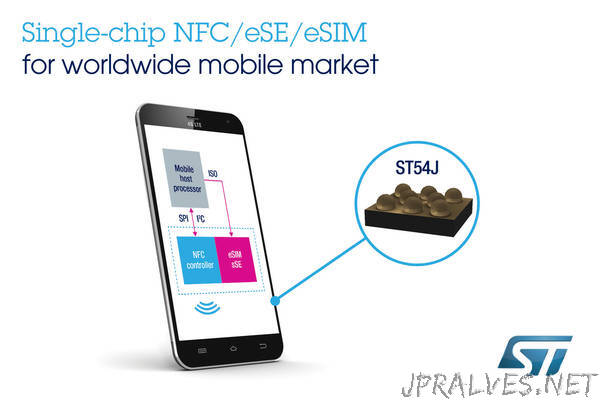
Scanning a QR code delivers instant eSIM activation, while manual entry serves as a reliable fallback for lost or damaged codes.
Managing Multiple Profiles on One Device
Managing multiple profiles on a single device requires careful attention to eSIM profile storage limits. On most devices, you can store up to five or more prepaid eSIM profiles, but only two can be active simultaneously. To switch, access your device’s cellular settings, choose the target profile, and set it as the primary line for data or calls. Deleting an expired profile frees storage for a new one.
- Label each profile distinctly (e.g., “Travel USA” or “Work Data”) to avoid confusion during activation.
- Keep only essential profiles installed to prevent reaching the device’s storage capacity.
- Verify that your device supports dual SIM dual standby (DSDS) for simultaneous standby on two prepaid eSIM profiles.
Troubleshooting Common Connection Errors
If your prepaid eSIM fails to connect, first confirm that mobile data and data roaming are toggled on within your device’s cellular settings. A missing or incorrect APN configuration often blocks the network; manually enter your provider’s APN details if the connection icon remains absent. Interrupting the activation flow by closing the settings app before the profile finishes downloading can lock your eSIM in a pending state. Reboot your phone after installing the eSIM—failure to do so is a common oversight. If the error persists, delete the eSIM profile entirely, rescan your QR code, and reinstall following the provider’s exact step order.
Regional Options for Frequent Flyers
For frequent flyers, regional prepaid eSIM plans offer significant savings over individual country-specific options. A single “Asia-Pacific” or “Europe” eSIM provides seamless connectivity across multiple countries on a single profile, eliminating the need for separate purchases after each border crossing. Select a plan that matches your exact travel corridor to avoid paying for a broad zone like “Global” when you only visit two adjacent nations. Always verify the plan’s network partners within each destination, as coverage can vary significantly between rural and urban areas. A regional eSIM’s primary advantage lies in its automatic network switching, which prevents manual reconfiguration upon arrival in a new country. This simplicity is invaluable for tight layovers or multi-stop itineraries.
Global Packages Versus Country-Specific Plans
For frequent flyers, global packages offer the convenience of a single eSIM that works across multiple regions, eliminating the need to switch plans between countries. However, these often come with higher per-GB costs and may throttle speeds in certain areas. In contrast, country-specific plans provide localized pricing, often significantly cheaper per gigabyte, and access to local network bands for better coverage within that nation. The trade-off is the administrative hassle of buying and activating a new eSIM for each destination. Your choice depends on whether you prioritize seamless multi-country travel or maximum value and performance in a single location.
Europe’s Roam-Like-at-Home Compatible Offers
For frequent flyers hopping across Schengen countries, Europe’s Roam-Like-at-Home offers are a massive perk with prepaid eSIMs. You buy one plan and use your domestic data, calls, and texts freely in any participating EU nation. No extra fees, no fiddling with new eSIMs each time you cross a border.
- Pick a prepaid eSIM from a European provider like Orange or Vodafone; their plans automatically cover your home country plus 30+ EU/EEA zones at the same rate.
- Your weekly or monthly data allowance stays intact whether you’re in Paris, Berlin, or Milan—literally the same balance.
- Top up once and roam instantly, no need to register in each new country or buy separate regional travel passes.
Asia-Pacific Providers with High-Speed Local Deals
For frequent flyers in the Asia-Pacific region, providers like Asia-Pacific Providers with High-Speed Local Deals offer prepaid eSIMs that prioritize raw speed over roaming agreements. In Japan, Ubigi provides local NTT DOCOMO networks with plans starting at $3 for 1GB, ensuring stable 5G connectivity. Singapore’s M1 via eSIM.net delivers 10GB for $12, while South Korea’s KT network is accessible through Airalo for 7 days at $4.50. Australian travelers can use Telstra’s prepaid eSIM for 12GB at $20, valid for 30 days. These deals bypass expensive international roaming by granting direct, high-speed local access in each country.
Security and Privacy Considerations
When using a prepaid eSIM, your privacy hinges on the provider’s data logging policies—many smaller brands log less than major Singapore eSIM carriers. For security, always buy directly from the official app or website to avoid malicious QR codes that could clone your line. A crucial step is to never share your eSIM’s QR code or activation token; once scanned, it can’t be revoked like a physical SIM. Carrying a backup of your eSIM profile on a different device is a smart safety net, but remember that your phone’s lock screen is actually your first layer of defense against unauthorized access to your eSIM settings. For extra peace of mind, use a VPN on public Wi-Fi to encrypt your traffic, and regularly check your account online for any unexpected activation requests or balance changes.
Keeping Your Primary Number Safe While Traveling
Using a prepaid eSIM for data while traveling allows you to keep your primary number inactive, which prevents exposure to SIM swapping or unauthorized access via SS7 protocol vulnerabilities. Before departure, disable iMessage and WhatsApp linking to your primary line to avoid routing verification texts internationally. Disabling international roaming on your primary eSIM ensures no incoming calls or SMS incur fees or get intercepted. Dual-SIM mode lets your primary line remain inactive but visible for emergency contact, while the prepaid eSIM handles all data traffic.
- Verify your primary number’s account has a strong, unique password and two-factor authentication that doesn’t rely on SMS.
- Remove your primary SIM from the physical slot if using a prepaid eSIM, leaving it safely stored elsewhere.
- Set your primary eSIM to “use only for voice” if your phone supports it, keeping data strictly on the prepaid eSIM.
Encryption Standards in Digital SIM Profiles
Prepaid eSIM security hinges on robust encryption standards for digital SIM profiles. During remote provisioning, the profile is encrypted using AES-256 before being transmitted to your device, ensuring no third party can intercept your carrier credentials. Once installed, the profile remains encrypted at rest within a tamper-resistant secure element, making unauthorized extraction or cloning practically impossible. This end-to-end encryption protects your mobile identity from SIM-swapping attacks and data theft. Q: Can my prepaid eSIM profile be decrypted if I lose my phone? A: No, because the encryption keys are bound to your device’s secure element, and the profile remains inaccessible without biometric or PIN verification.
Risks of Sharing QR Codes or Account Details
Sharing a prepaid eSIM’s activation QR code or account login details exposes you to immediate, irreversible risk. Anyone with this data can install your eSIM on their device, draining your data balance and enabling fraudulent activity under your identity. Unlike a physical SIM, you cannot simply remove the card; the attacker retains access until you contact support. Account details, if shared, allow the criminal to transfer your plan or lock you out permanently. Never expose your activation QR code to screenshots, unsecured chats, or public posts. Treat this information like a physical key—once copied, control is lost.
| Shared Item | Primary Risk | User Consequence |
|---|---|---|
| QR Code | Unauthorized eSIM installation | Data theft, plan depletion, identity misuse |
| Account PIN/Password | Account takeover | Plan transfer, permanent lockout, billing fraud |
| Confirmation Email | Code re-extraction by attackers | Multiple concurrent unauthorized activations |
Maximizing Value with Add-Ons and Bundles
Maximizing value with a prepaid eSIM begins by selecting a base plan that covers your essential data needs, then layering targeted add-ons such as high-speed top-ups or voice minutes only when required. Bundling multiple travel destinations into a single regional eSIM often costs less per gigabyte than purchasing separate country-specific plans. Paying for unused capacity directly reduces your value, so monitor your consumption in the eSIM app to avoid overbuying. Activating a low-cost data-only bundle for navigation and messaging while relying on local free Wi-Fi for heavy downloads maximizes your budget. Crucially, check the add-on expiration policy separately from the plan’s validity to prevent unused credits from vanishing early.
Voice and SMS Features for Emergency Backups
A prepaid eSIM bundle focused on emergency backups ensures connectivity during network outages. Prioritize plans offering minimum voice and SMS allocation for crisis use, such as 10–30 minutes of voice calls and 50–100 texts, available even when data runs out. This allows you to reach emergency services or family via basic telephony without relying on unstable VoIP. Voice features should enable quick dialing to local emergency numbers, while SMS provides a reliable, low-bandwidth channel for sending location or status updates. Such targeted capabilities transform a standard eSIM into a robust safety net.
Emergency-ready prepaid eSIMs deliver dependable voice and SMS access when networks falter, ensuring you stay reachable when it truly matters.
Mix-and-Match Data Tiers for Short Stays
For travelers requiring precise data control, mix-and-match data tiers provide a logical solution for short stays. Instead of a single rigid plan, you select a base daily or weekly tier, then optionally stack smaller high-speed data add-ons to match specific usage, such as streaming or navigation. This allows you to avoid overpaying for a large, unused data pool when your trip is only two or three days. The core benefit is granular cost control: you pay only for the data volume you actually consume during that brief window.
- Select a low base tier for essential messaging, then add a 1GB bolt-on only if you need maps.
- Switch between tiers daily—use a 500MB plan one day for light browsing, upgrade to 2GB the next for video calls.
- Stack a data-only short-stay add-on atop a voice bundle, avoiding wasted minutes you will not use.
Auto-Renewal Alerts and Expiration Policies
When stacking add-ons, keep an eye on auto-renewal alerts and expiration policies to avoid surprises. Your prepaid eSIM may automatically recharge a bundle when it runs low, but these alerts let you pause or swap plans before you’re charged. Expiration policies vary—some add-ons vanish after 30 days, while others roll over unused data. Always check how long a bundle stays active once purchased.
- Set push notifications for expiration reminders to use data before it disappears.
- Turn off auto-renewal in your account if you’re testing a different bundle.
- Note whether add-ons expire based on first activation or purchase date.