


The thrill of risk and reward
At the core of gambling lies the exhilarating interplay of risk and reward. This dynamic serves as a powerful psychological draw for many individuals, igniting a sense of anticipation and excitement. The unpredictability intrinsic to gambling scenarios creates a unique atmosphere where tension builds. Players experience emotional highs and lows, with each decision poised on the precipice of potential gain or loss, especially in settings like neosurf casino instant withdrawal that enhance the thrill of the game. Neurotransmitters such as dopamine are released during these moments, amplifying feelings of euphoria, especially when players find themselves on a winning streak.
This cycle of risking something valuable in hopes of an even greater reward taps into the fundamental human desire for excitement. Many individuals seek out the adrenaline rush that accompanies betting, leading to a heightened state of alertness and engagement. This emotional rollercoaster captivates players, encouraging them to return repeatedly to the gaming environment. The prospect of a significant win can create an intoxicating allure, often overshadowing the inherent risks and potential for loss that accompanies such activities.
Moreover, the thrill of gambling is not solely about the money; many players derive satisfaction from the challenge and strategy the games present. This combination of excitement and intellectual engagement transforms gambling into a multifaceted experience, allowing individuals to engage their competitive instincts and cognitive abilities. Whether strategizing in poker or calculating odds in sports betting, players often find themselves immersed in a world where skill and luck intertwine, further enhancing their gambling experience.
The influence of social interactions
Social dynamics play a crucial role in shaping the gambling experience, turning solitary activities into communal events. The interactions that occur among players can significantly amplify the thrill of the game. Friendly banter, shared victories, and even collective disappointments create a vibrant atmosphere that enhances individual experiences. Establishments designed for gaming often capitalize on this social aspect, fostering environments filled with laughter, cheers, and the sounds of spinning wheels and clinking chips, all of which contribute to an electrifying ambiance.
When players engage with one another, they often form bonds that enrich their gambling experiences. Sharing strategies, discussing outcomes, and reliving exciting moments can create a sense of belonging and validate individual behavior. This communal atmosphere encourages players to remain engaged and can influence their betting decisions as they seek to match or surpass their peers. The thrill of gambling becomes intertwined with social connections, enhancing the overall enjoyment of the activity.

Furthermore, the evolution of technology has expanded the social dimensions of gambling. Online platforms enable players to connect with others across the globe, sharing experiences and insights in real-time. This extended social network can further validate gambling behaviors, encouraging individuals to participate based on shared narratives and communal excitement. As online discussions about strategies, wins, and losses proliferate, players may feel emboldened to take risks, often inspired by the experiences of others within their digital communities.
The role of cognitive biases
Cognitive biases significantly influence how individuals perceive and engage with gambling. One notable bias is the illusion of control, where players mistakenly believe they can manipulate the outcomes of games through their choices or strategies. This misconception can lead to overconfidence, prompting individuals to gamble more aggressively than they normally would. For instance, someone might feel that their previous successes indicate a pattern of future wins, driving them to increase their bets in hopes of replicating those results.
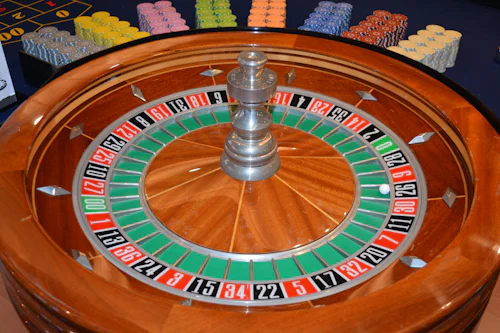
Another prevalent cognitive bias affecting gamblers is the gambler’s fallacy, which leads individuals to believe that past outcomes will influence future probabilities in random games. For example, if a player observes a roulette wheel landing on red multiple times consecutively, they may irrationally conclude that black is “due” for a win. This fallacy can result in impulsive betting behaviors, as players act on flawed beliefs about the nature of randomness and chance.
These cognitive biases foster an environment ripe for irrational decision-making, where players often disregard statistical realities in favor of emotional impulses. This can lead to significant financial losses, as individuals chase after wins based on misconceptions rather than informed strategies. Understanding these biases is essential for players seeking to improve their gambling approaches, though the allure of gambling can often override logical thought processes, leading to continued engagement despite adverse outcomes.
Addiction and compulsion in gambling
The potential for addiction represents a serious concern within the realm of gambling, driven by the brain’s reward systems and the psychological factors that entice individuals to gamble. Compulsive gambling, often referred to as gambling disorder, manifests when individuals engage in gambling behaviors despite experiencing negative consequences. This can lead to severe financial issues, emotional distress, and strained relationships, ultimately affecting various facets of an individual’s life.
The psychological roots of gambling addiction are complex and multifaceted. Many individuals turn to gambling as a means of escaping stress or emotional pain, seeking solace in the temporary highs associated with winning. However, this reliance on gambling can evolve into a cycle of dependency, where the need for the thrill of winning escalates to combat feelings of anxiety or despair. As players chase the euphoric highs, they may find themselves trapped in a vicious cycle that exacerbates their emotional and financial struggles.
Additionally, the desire for social acceptance can further fuel gambling behavior. Many individuals gamble not only to satisfy personal impulses but also to conform to social circles that view gambling as a normative or entertaining activity. This external pressure can intensify gambling behavior, making it essential to understand the psychological factors that contribute to addiction. Addressing these issues is crucial in developing effective support systems and promoting healthier gambling habits among individuals who may be struggling.
Exploring gambling websites and resources
As the digital landscape continues to evolve, online gambling platforms have become increasingly popular, allowing players to engage in gaming from the comfort of their own homes. These websites offer a diverse array of games and betting options, catering to a wide range of preferences and skill levels. However, it is vital for players to approach these platforms with a keen awareness of the psychological implications associated with online gambling.
Many gambling websites are engineered to create immersive experiences, utilizing psychological tactics to enhance user engagement. Bright graphics, engaging sound effects, and easy accessibility can lead to prolonged gaming sessions, often blurring the lines between leisure and addiction. Players must remain vigilant and mindful of their behaviors, establishing personal limits to ensure that their gambling experiences remain enjoyable rather than harmful.
Fortunately, resources are available for individuals seeking to better understand their gambling habits and the associated risks. From self-assessment tools to support groups, these resources play a vital role in promoting responsible gambling practices. By fostering awareness and encouraging mindfulness, players can navigate their gambling experiences more effectively, enjoying the thrill while minimizing potential negative psychological impacts.